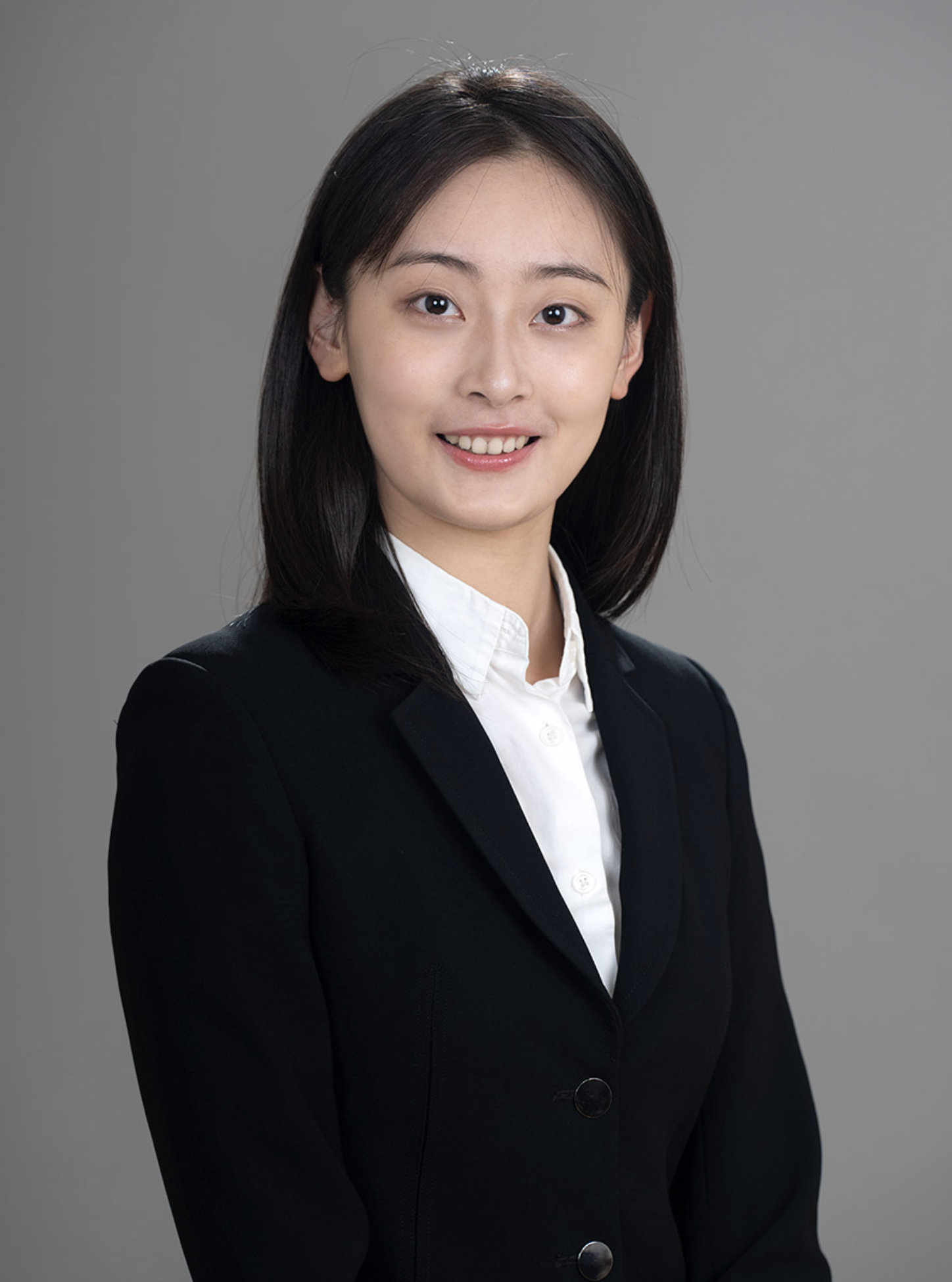
To witness Carol Huang perform is to observe a delicate negotiation between physical rigor and ethereal intent. For this Principal Dancer of Shen Yun Performing Arts, the stage is less a platform for display and more a threshold-a point of departure from the mundane into the mythical.
“When each dance begins,” Huang reflects, “it feels like I’ve stepped through a magical portal, as if I’ve entered into another time and place.” This sentiment captures the essence of her artistry: dance not merely as athletic execution, but as an act of transportation.
A Foundation of Discipline
Born in China and training since the age of four, Huang’s journey is defined by a relentless pursuit of the specific aesthetic requirements of classical Chinese dance. Her formal education at the New York-based Fei Tian Academy of the Arts-and later, her advanced studies at Fei Tian College-provided the structural discipline necessary for her craft.
However, her technical prowess is perhaps best quantified by her consistent dominance in the competitive arena. Huang holds a rare distinction in the circuit of the New Tang Dynasty Television’s International Classical Chinese Dance Competition. She secured first place in the Junior Division twice-in 2018 and 2021-before seamlessly transitioning her mastery to the Adult Female Division, where she claimed the gold in 2023.
The Philosophy of “Yun”
In classical Chinese dance, the external form (xing) is considered hollow without the internal bearing (yun). This concept posits that movement must originate from the breath and the intent of the spirit. Huang embodies this philosophy, viewing the dancer’s body as a vessel for the emotional state.
“Classical Chinese dance is an art form that’s steered by the artist’s heart,” she notes. “Only when dancers invest their feelings into the movements will the body be able to follow the heart.”
This “heart-led” approach distinguishes a competent technician from a compelling artist. It requires the dancer to internalize the character’s psyche-whether it be a celestial maiden or a historical empress-before a single sleeve is cast. The resulting movement flows outward, carrying the weight of the character’s history and emotion, creating a resonance that reaches the audience beyond the visual spectacle.
Embodying History and Legend
Since joining the touring company of Shen Yun in 2017, Huang has been entrusted with some of the most demanding roles in the repertoire, requiring her to oscillate between the divine and the historical.
In The Story of Lady Xi Shi (2024), she tackled the complexity of one of ancient China’s “Four Beauties,” a role that demands the portrayal of sacrifice and patriotic duty wrapped in supreme elegance. Contrast this with The Tang Emperor and Lady Yang (2023), where the tragic romance of the Tang Dynasty requires a different texture of grace-luxurious, yet tinged with impending sorrow.
Her repertoire also extends to the purely ethereal. Pieces like Heavenly Fairies of the Peach Garden (2024) and Flight of the Celestial Maidens (2023) strip away the earthly narratives, leaving only the challenge of depicting divine lightness. Here, the technique of “water sleeves” often comes into play, as seen in her 2020 performance of Water Sleeves. The long silk extensions become extensions of her energy, rippling through the air in arcs that mimic flowing water or drifting clouds.
The Continuous Portal
For Huang, the awards and the principal roles are markers on a path rather than the destination. The nature of classical Chinese dance-with its deep roots in five millennia of divine culture-offers an inexhaustible depth for exploration.
Each performance remains a fresh entry into that “magical portal,” a renewed opportunity to revive a lost heritage through the language of the body. In the silence of her movements, Carol Huang speaks of a civilization where the divine and the human dance in unison.