It’s finally here. You’ve been waiting for those professional prints to arrive, and the tube is sitting on your table. But when you open it, your favorite moments are curled tight from the journey. It is completely normal for large prints to arrive this way, and fixing it is much easier than it looks. You just need a little patience and a flat surface to get them ready for the wall.
Why They Arrive Rolled
We ship large prints in sturdy, triangular tubes for a very specific reason: safety. Keeping the print rolled prevents the corners from getting dinged and stops creases from forming in the middle of the photograph during transport. While it requires a little work on your end to flatten them out, it ensures the image itself remains pristine.
Rolled tube of Prints
The 5-Step Flattening Method
The goal here is to be gentle. You want to relax the paper fibers, not force them. Follow these steps to get your prints flat without accidental damage.
1. Clean Hands and Surfaces Before you touch anything, wash and dry your hands thoroughly. It sounds simple, but the natural oils on your fingertips or a tiny speck of grit on the table can leave permanent marks or bruises on the paper.
2. Edges Only When you pull the print out, touch only the very edges. Keep your fingers off the main image area. We usually wrap prints in scrap photo paper for protection inside the tube-feel free to cut or tear that tape to get it open, but keep the protective paper handy if you can. It makes a great buffer between your print and the table.
3. Face Down Lay the print image-side down on your clean workspace or that sheet of smooth protective paper. Unroll it slowly and gently. You are just trying to get it to lay against the table, not force it perfectly flat yet.
Flatten large Prints
4. The Heavy Lifting Once the print is face down, you need weight. Grab some large, smooth, heavy objects-coffee table books are perfect for this. Place them on the ends of the print and a few in the middle to distribute the weight evenly.
5. The Waiting Game Let it sit overnight. A full 24 hours is usually the magic number. When you check it the next day, lift the books; if the edges still try to curl up, put the weights back on for a few more hours.
Why It Might Take Longer
Sometimes, a print is a bit more stubborn. Several factors change how quickly the paper relaxes. If your room is cold or dry, the paper fibers stiffen and take longer to flatten than they would in a warm, humid room.
The paper type matters, too. Thicker, professional-grade stocks are durable, but that also means they resist flattening more than lightweight paper. Just give it extra time under the books. Also, consider where it’s going; if you are framing it immediately, the frame itself will often do the final work of holding it flat.
20×24
Important Dos and Don’ts
To keep those memories looking exactly how you remember them, keep these final tips in mind while you work.
Don’t ever use steam or moisture to speed this up. This isn’t a wrinkled shirt, and moisture will ruin the emulsion.
Don’t try to bend the print backward to “counter-curl” it. You will almost certainly crease the paper.
Do be patient. Larger prints naturally take more time to settle.
Don’t try this on Aluminum or Metal prints. Those are not meant to be reshaped. If a metal print arrives bent, that is shipping damage, and you should contact support immediately.

 Rolled tube of Prints
 Flatten large Prints
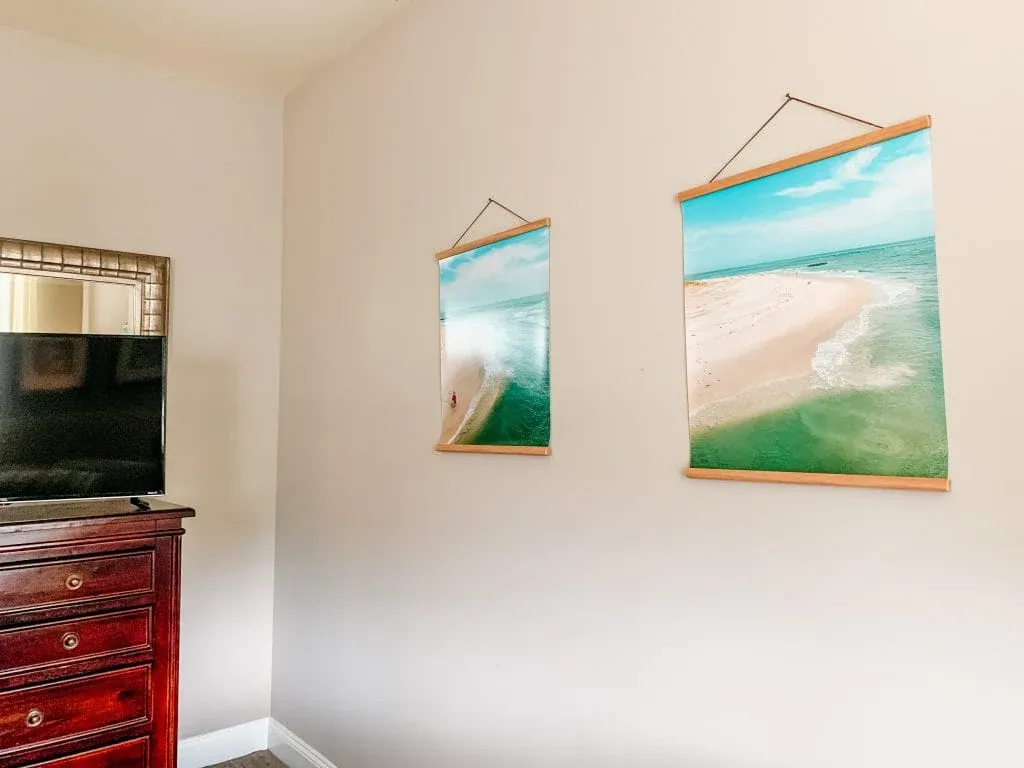 20×24
20×24


