Time acts as a relentless filter, eroding the superfluous and leaving only what is structurally sound. For over two and a half millennia, the voice of Kong Fuzi—known to the West as Confucius (551–479 BCE)—has survived this erosion. His teachings, compiled by disciples in the Analects, are not merely a code of conduct for Han dynasty governance but a foundational aesthetic for the human soul. They offer a blueprint for dignity in a world that often favors the expedient over the enduring.
In an era defined by the velocity of information and the fragmentation of attention, the Master’s observations on the “superior person” (Junzi) resonate with a startling, almost modern urgency. To revisit these texts is to step away from the noise and examine the plain ground upon which we build our lives.
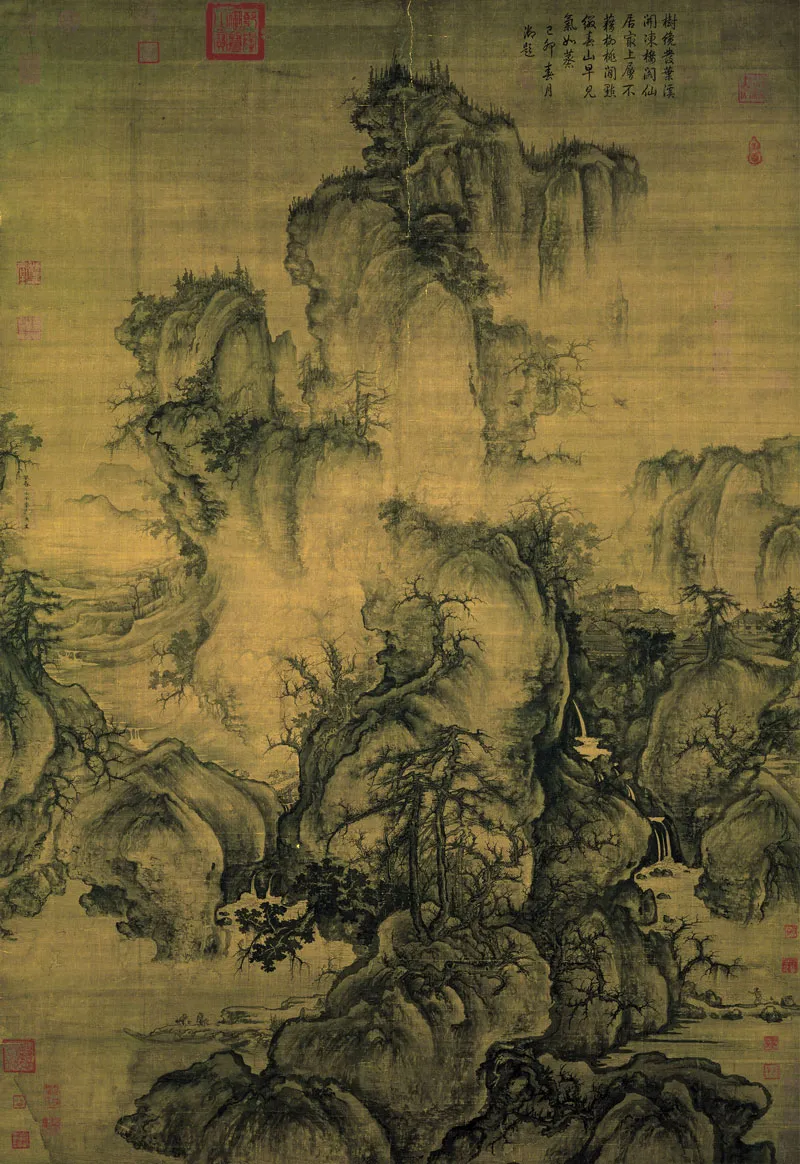
Confucius painting
The Weight of Speech and the Virtue of Slowness
The modern condition is often one of breathless immediacy. We consume and disseminate information in the same heartbeat, often bypassing the critical faculties of verification or reflection. Confucius identified this fragility of truth centuries before the digital age.
“To tell, as we go along, what we have heard on the way, is to cast away our virtue.” (道聽而塗說,德之棄也。)
Here, the act of “roadside gossip”—transmitting the unheard and unverified—is framed not just as a social faux pas, but as a spiritual discarding. Virtue (De) requires containment and substance; to scatter words carelessly is to deplete one’s own integrity.
This caution against haste extends beyond speech into action. The Analects remind us that the desire for speed is often the enemy of depth.
“Desire to have things done quickly prevents their being done thoroughly. Looking at small advantages prevents great affairs from being accomplished.” (欲速則不達,見小利則大事不成。)
When the eye is fixed on the immediate result or the “small advantage” of instant gratification, the grander architecture of one’s life remains unbuilt. The text invites a slowing down—a deliberate pause to ensure that the foundation is capable of bearing the weight of the outcome.
The Aesthetics of Resilience
There is a profound visuality to Confucian philosophy, nowhere more poignant than in his metaphors of nature. He does not describe the character of a gentleman through abstract concepts alone, but through the stark imagery of winter.
“When the year becomes cold, then we know how the pine and the cypress are the last to lose their leaves.” (歲寒,然後知松、柏之後凋)
In the warmth of spring, all flora appears lush; it is indistinguishable. It is only the adversity of the “cold year” that reveals the true nature of the pine and cypress. This is the aesthetic of endurance. Principles are easy to hold when they are profitable or popular. The true test of character—the evergreen quality of the soul—arrives only when the external environment withers.
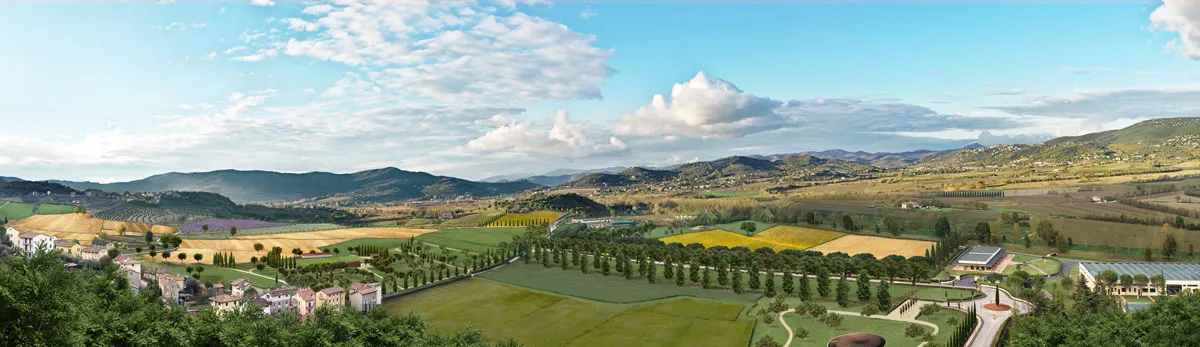
What Confucius say about pine and cypress
To recognize such character in others requires a disciplined gaze. It is insufficient to merely watch a person’s overt actions. Confucius suggests a three-layered observation:
“See what a man does, mark his motives, examine in what things he rests, how can a man conceal his character?” (視其所以,觀其所由,察其所安。人焉瘦哉?人焉廋哉?)
The method moves from the visible (actions) to the invisible (motives) and finally to the essential (where he finds peace). It is a process of peeling back layers. A person may perform a good deed for a selfish reason, or struggle with a right action despite a pure heart. To truly see another is to look at “what things he rests in”—what ultimately brings him satisfaction.
The Plain Ground of Being
Perhaps the most artistic of all Confucian metaphors is the relationship between ritual and essence, framed through the language of painting.
“The business of laying on the colors follows the preparation of the plain ground.” (绘事后素)
When a disciple asked if rituals (Li)—the ceremonies, manners, and social graces—were secondary, Confucius confirmed this hierarchy. Just as a painter cannot apply vermilion and ink to thin air, a human being cannot apply the “decoration” of etiquette to a soul that lacks the “plain ground” of benevolence and integrity.
If the inner core is not purified, the outward expression of politeness is merely a performance. The “plain ground” is the white silk of the heart; only once this substrate is clean can the colors of social interaction be applied with meaning.
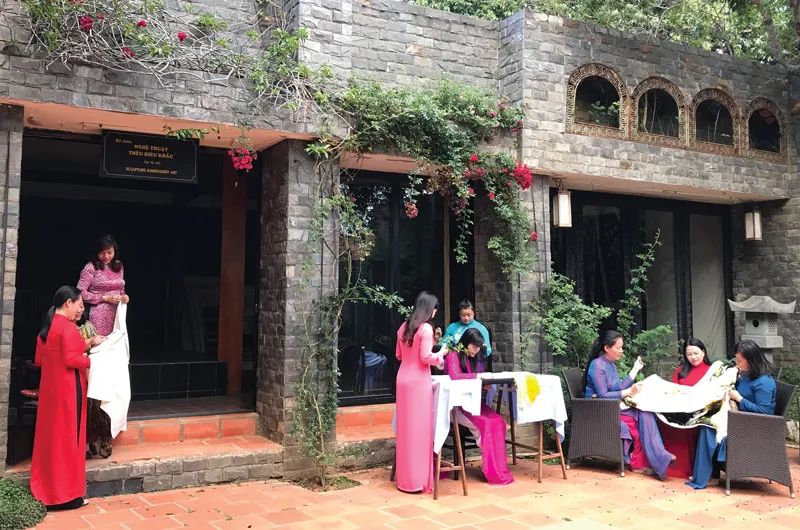
What Confucius say about painting
The Mirror of the Self
The cultivation of this inner ground requires navigating the treacherous waters of social approval. Confucius was deeply suspicious of the “thief of virtue”—the individual who is universally liked because they compromise their moral compass to appease the crowd.
“Tsze-kung asked… ‘what do you say of a man who is loved by all the people of his neighborhood?’ The Master replied, ‘We may not for that accord our approval of him.’ … ‘It is better than either of these cases that the good in the neighborhood love him, and the bad hate him.'”
True integrity inevitably creates friction. To be hated by the “bad” is as much a badge of honor as being loved by the “good.” A moral neutrality that seeks only popularity is, in the Confucian view, a corruption of the community.
How, then, do we orient ourselves? The Analects offer a mechanism of constant self-calibration:
“When we see a man of worth, we should think of equalling them; when we see a man of a contrary character, we should turn inwards and examine ourselves.” (見賢思齊焉, 見不賢而內自省也。)
The world serves as a mirror. The virtue of another is a call to elevation; the vice of another is a call to introspection, not judgment. This pivots the focus from criticizing the external world to refining the internal one.
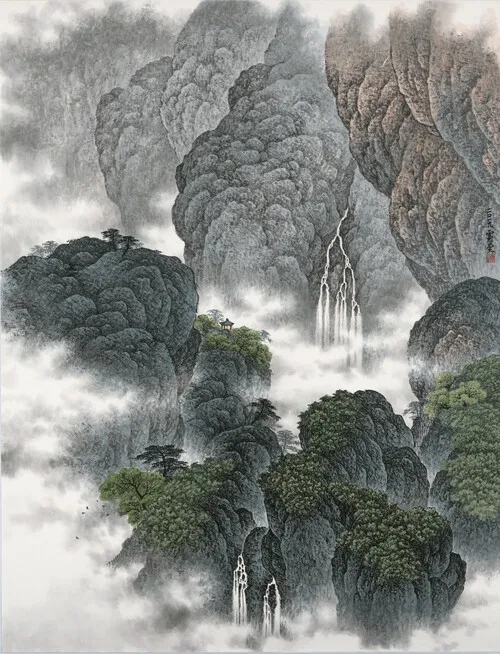
What Confucius Say from Analects of Confucius
Ultimately, this entire system of thought—from the resistance of rumors to the resilience of the pine—converges on a single, radiant principle of empathy, often termed the Golden Rule:
“What you do not want done to yourself, do not do to others.” (己所不欲,勿施於人)
It is a deceptively simple instruction that requires a lifetime of discipline to execute. It demands that we dismantle the fortress of the ego and stand, however briefly, in the perspective of another. In the end, the wisdom of the Analects is not about rigid adherence to ancient laws, but the fluid, difficult, and beautiful art of becoming fully human.

 Confucius painting
 What Confucius say about pine and cypress
 What Confucius say about painting
 What Confucius Say from Analects of Confucius