In 1959, the Napa Valley was not yet the polished epicenter of American viticulture it is today. Having weathered the compounding fractures of two world wars, Prohibition, and the Great Depression, the region’s winemaking identity was still in its infancy—raw, unformed, yet brimming with latent potential.
It was into this rugged landscape that Bill Harlan, then in his twenties, first stepped. His initial ambition was deceptively simple, possessing the romantic clarity of youth: to secure a small plot of land, plant a vineyard, find a partner, and raise a family. “I thought that if I could ever afford it,” Harlan recalls, outlining a dream that felt distant at the time, “I’d like to buy a little piece of land… and make wine.”
However, the realization of this vision required more than just land; it required a maturation of the soul. It would take two decades of other pursuits before Harlan returned to his calling, this time not with a mere desire to farm, but with a structural blueprint for a legacy designed to span 200 years. Today, Harlan Estate stands as a testament to that patience, producing wines that command profound respect—and a two-year waiting list—affirming Harlan’s silent, methodical ascent to the summit of the wine world.
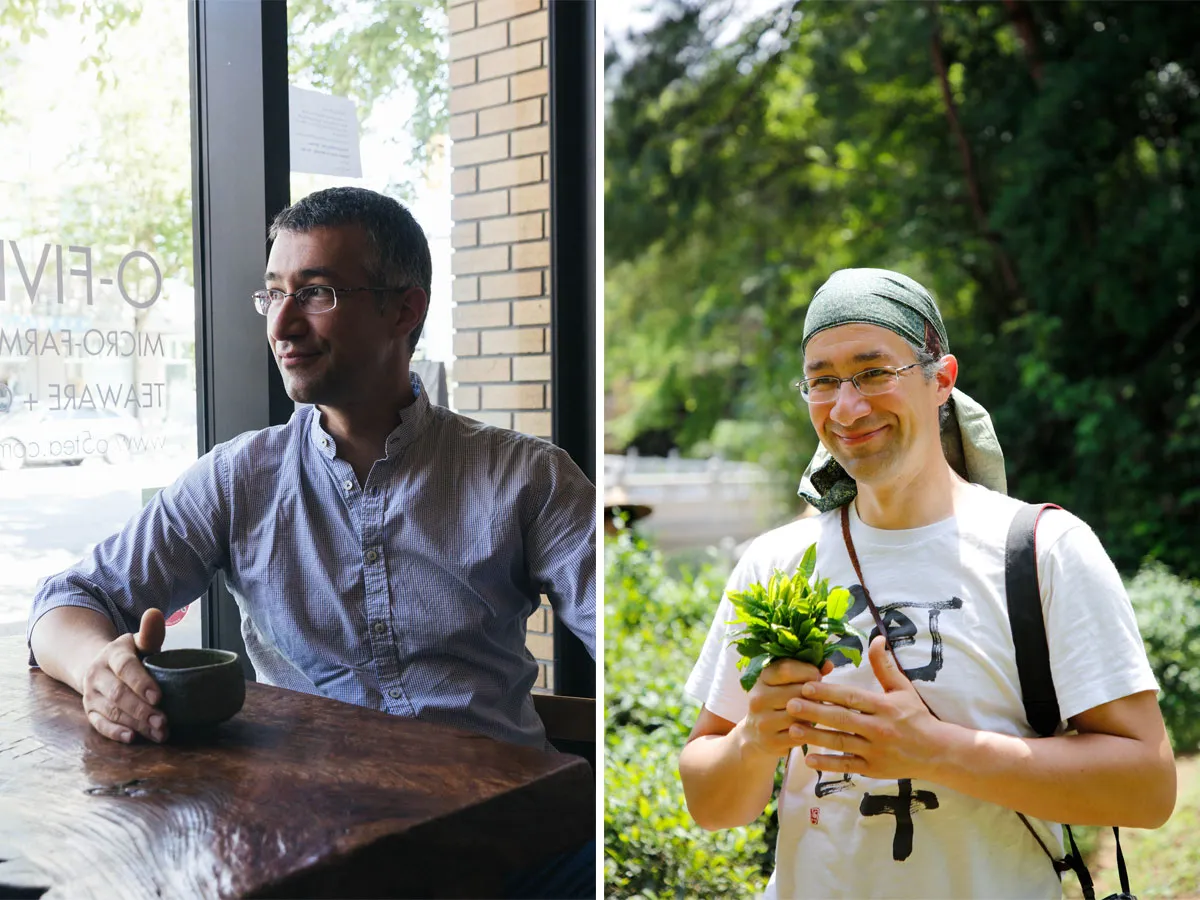
Bill Harlan, the founder of Harlan Estate, looking out over the landscape
The European Revelation
The transformation from a young man’s daydream to a “First Growth” reality was catalyzed by a meeting with Robert Mondavi, the grand patriarch of American wine. Recognizing the scope of Harlan’s ambition, Mondavi extended an invitation that would alter the trajectory of Napa Valley: a three-week pilgrimage to France.
Together, they toured the hallowed grounds of Burgundy and Bordeaux, visiting First Growth properties and Grand Cru domaines. These were not merely businesses; they were institutions. “That trip opened my eyes to the potential of Napa Valley. I’d never seen anything like it,” Harlan admits.
What struck him most forcibly was not just the viticulture, but the relationship these estates maintained with time. He observed properties that had remained in the same family’s hands for generations, often centuries. In the quiet cellars of France, Harlan realized that true greatness in winemaking is not measured in fiscal quarters, but in eras. “I realized they had a different way of thinking about time and life,” he reflects. The European model offered a perspective where the land was a permanent anchor, and the vintner was merely its temporary steward.
A Blueprint for Permanence
Upon returning to the United States, Harlan engaged in a deep study of longevity. He sought to understand the anatomy of entities that survive for centuries. His research distilled three non-negotiable traits shared by the world’s most enduring legacies: they were family-run, they were inextricably tied to the land, and they operated without the suffocating weight of debt.
At 40 years old, still single, Harlan understood that his lifestyle required a fundamental shift. The bohemian freedom of his youth had to give way to the stability of a patriarch. To build a “First Growth” of California—a wine that could stand shoulder-to-shoulder with the giants of Bordeaux—he needed the luxury of patience. He calculated that establishing such a reputation would require at least a decade, likely more, of investment without immediate return.
“The family is the only entity willing to continually take risks, avoid debt, and not be constrained by time,” Harlan asserts. Unlike public corporations driven by shareholder immediacy, a family business possesses the freedom to refuse compromise. It allows for the cutting of no corners, prioritizing the integrity of the vintage over the demands of the market.
The Harlan family: Bill, Deborah, Will, and Amanda standing together outdoors
The Human Terroir
The “200-year plan” was not merely about soil composition or barrel aging; it was about human capital. Harlan’s foresight extended to the community he built around the estate. He recognized that he was responsible not just to his future lineage, but to his early partners and the workers who tended the vines.
To succeed, he had to sell them on a vision that transcended the present moment. He offered a shared dream of world-class craftsmanship. “We wanted to delight and enrich people’s lives,” Harlan says, defining the core ethos of the estate.
This philosophy attracted a specific caliber of individual—people who resonated with the idea of planting trees under whose shade they might never sit. One by one, those who shared this long-horizon view found their way to Harlan Estate, helping to weave the fabric of a culture that values the slow, deliberate creation of beauty. In a world obsessed with speed, Harlan’s legacy is a quiet reminder that the finest things in life—and in wine—cannot be rushed.

 Bill Harlan, the founder of Harlan Estate, looking out over the landscape
 The Harlan family: Bill, Deborah, Will, and Amanda standing together outdoors