There are places where the boundary between history and imagination dissolves, where the landscape itself seems to be the protagonist of a centuries-old narrative. Highclere Castle is one such rarity. Rising from the rolling Hampshire countryside, it stands not merely as a structure of stone and mortar, but as a “jewel and a beacon,” in the words of George Herbert, the 8th Earl of Carnarvon.
Best known to the modern world as the setting for the global phenomenon Downton Abbey and its cinematic sequels, Highclere is a masterpiece of Victorian architecture. Yet, beyond the camera lenses and the fictional Grantham family, the estate possesses a profound gravity of its own. It is a harmonious dialogue between the man-made and the natural, unfolding across 5,000 acres of majestic woodlands and rich arable lands that have been stewarded with care for generations.
A Legacy Etched in Stone
The Carnarvon family has acted as the custodians of this estate since 1679, when Sir Robert Sawyer—an ancestor of the current Earl—acquired the Highclere Place House. However, the silhouette that today dominates the horizon is a product of the 19th century, a time of grand ambition and architectural revival.
In 1842, the home underwent a transformative redesign under the vision of Sir Charles Barry, the celebrated architect responsible for the Houses of Parliament. The result was a shift from a classic Georgian house to the Jacobethan grandeur seen today, a structure that commands attention while sitting comfortably within its vast, green context. This architectural evolution reflects a continuity of purpose, a sentiment echoed by Fiona, the 8th Countess of Carnarvon.
“We’ve been in business here now for 1300 years,” the Countess observes, referring to the long history of the land itself. “We’ve gone up and down, but you know what, we’re still here.”
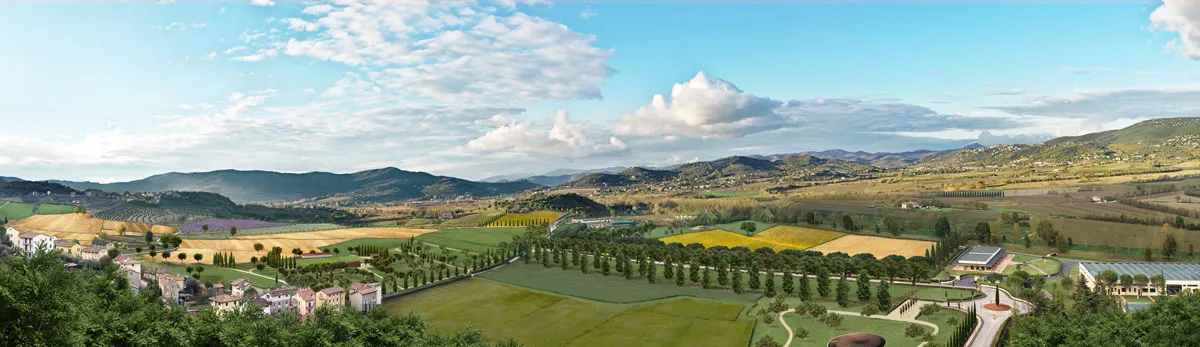
The vast 5,000-acre estate of Highclere featuring rich arable lands and woodlands
The Intersection of Fact and Fiction
While the walls of Highclere hold centuries of authentic British heritage, its recent history has been defined by a unique convergence with popular culture. When the production team of Downton Abbey sought a location that could embody the aristocratic spirit of the early 20th century, the choice of Highclere was not immediate.
Lord Carnarvon recalls the meticulous search: “They looked all around the country at many other places and took a long time to make their mind up whether they wanted to come here.”
The decision to open the doors to filming was a calculated risk, taken during a precarious global economic climate. “This was a bold venture because it was just after Lehman Brothers and the banking crisis,” Lord Carnarvon explains. At the time, no one could have predicted that the series would garner 200 million fans worldwide, turning the family home into an international icon.
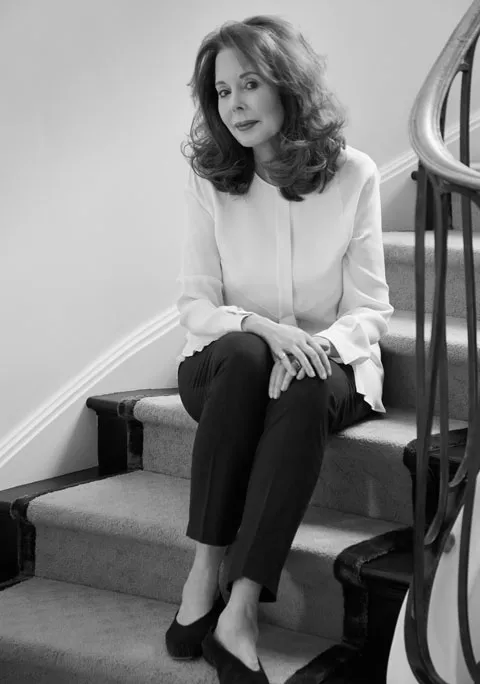
George and Fiona Herbert, 8th Earl and Countess of Carnarvon, standing before Highclere Castle
Today, Highclere remains a testament to resilience—a living estate where the lineage of the Carnarvons continues to weave the past into the present, ensuring that this “beacon in the area” shines on for future generations.

 The vast 5,000-acre estate of Highclere featuring rich arable lands and woodlands
 George and Fiona Herbert, 8th Earl and Countess of Carnarvon, standing before Highclere Castle