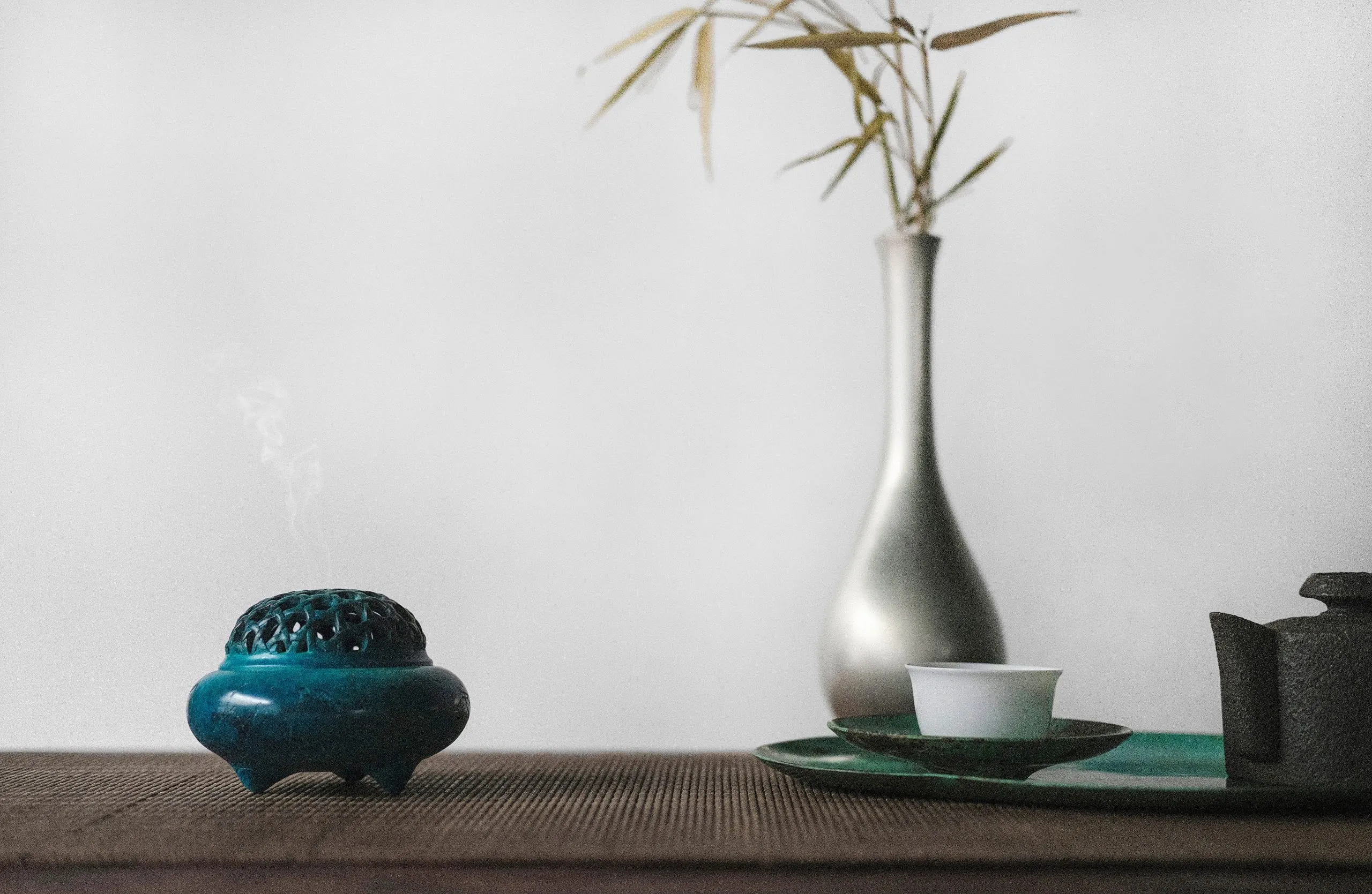
Modern existence often feels like a perpetual state of motion, a linear rush that leaves little room for the internal equilibrium essential to the human spirit. In the spaces between these frantic moments, the ancient practice of the tea ceremony offers a sanctuary—a deliberate pause where time is not measured by the clock, but by the unfolding of a leaf.
To engage in a tea ceremony is to step out of the ordinary flow of life. It is not merely a method of hydration, but an act of aesthetic mindfulness, a way to remind oneself of the value of tender care. As Lao Tse wrote in the Tao Te Ching, “The slow overcomes the fast.” By curating a personal ritual, even one that lasts only fifteen minutes, we construct a momentary fortress of calm, proven to strengthen mental acuity and ground the senses.
A serene tea ceremony setup with a glass teapot and cups
The Elemental Foundation
The artistry of tea lies in the dialogue between its elements. The selection of materials is the first step in this sensory architecture. High-quality loose-leaf tea acts as the protagonist; its value extends beyond the palate to the olfactory realm, offering a fragrance that bridges the breath with the present moment. For the novice curator, quality reveals itself through the sight of the leaf’s shape, the clarity of the liquor, and the wet leaf’s aroma.
Yet, as the old adage suggests, if water is the mother of tea, the vessel is its father. The sage Lu Yu, author of the eighth-century Classic of Tea, posited that spring water from the mountains is the superior medium. In a modern urban context, filtered water or high-quality bottled spring water serves as a respectful substitute, ensuring that impurities do not cloud the tea’s complex narrative.
Close up of tea leaves and a wooden scoop
The Vessels of Gongfu
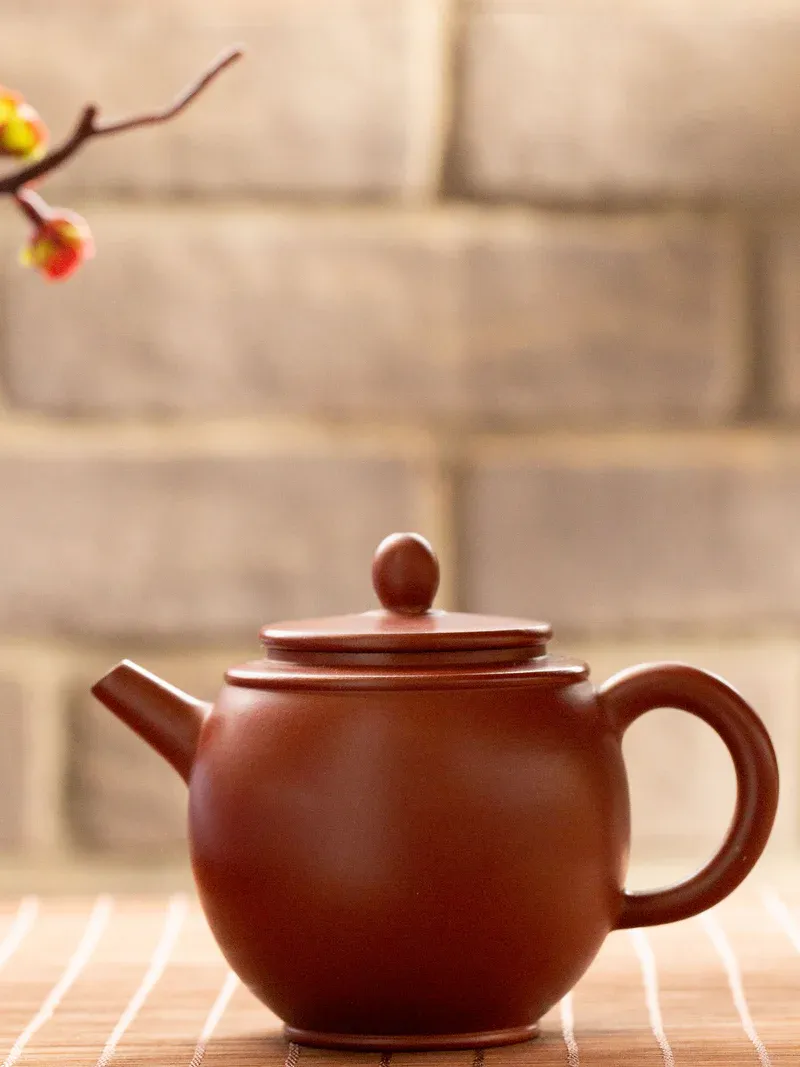
In the realm of personal rituals, the Gongfu approach—literally implying “making tea with skill”—favors intimacy over volume. Large western mugs are set aside in favor of diminutive teapots and cups. A teapot holding between 120ml to 200ml concentrates the essence of the leaf, allowing the tea to reveal its potential gradually over multiple infusions rather than exhausting itself in a single brew.
The pouring instrument is equally vital. A gooseneck kettle is preferred not for its look, but for its function: the long spout allows for a gentle, circular pour that awakens the leaves without the shock of a heavy stream. This controlled motion is the first brushstroke of the ceremony.
A woman pouring hot water from a kettle into a teapot
Accompanying the pot is the “fairness pitcher” (Gongdao bei). Because tea at the bottom of a pot is stronger than at the top, pouring directly into cups creates inconsistency. The pitcher harmonizes the brew, ensuring that the flavor profile is uniform before it touches the lips—a poetic nod to equity shared among guests or within one’s own experience.
Oolong tea tasting set with various dried leaves
The Choreography of Awakening
The ritual begins before the water touches the leaf. It starts with the preparation of the space—gathering the utensils, the scoop, the filter—creating an environment of order. This preparation signals the mind to release external demands.
The tea is measured, filling roughly a quarter or a third of the Gongfu pot. The practitioner takes a moment to engage with the dry leaf—its texture, its muted color—before the introduction of heat.
Temperature is the conductor of this orchestra. Lighter teas require a gentler hand, while dark teas demand intensity:
Green, white, yellow: 75 °C – 80 °C (167 °F – 176 °F)
Oolong, black: 90 °C – 95 °C (194 °F – 203 °F)
Pu-Erh, dark: 95°C – Boiling
A stainless steel gooseneck kettle
The first pour is a gesture of awakening. The water traces the rim of the pot in a circular motion, never striking the center directly. This initial infusion is rarely drunk; it is a rinse, used to warm the vessels and “wake up” the leaves. Once poured off, the wet leaves release a bouquet of aroma far more profound than their dry state, signaling readiness.
A small wooden tea scoop holding dried tea leaves
The Unfolding Layers
With the leaves awakened, the true brewing begins. The pot is filled to the brim to exclude air, covered, and steeped. The duration is a matter of intuition and observation, guided by the color of the liquor.
The brew is decanted through a filter into the fairness pitcher, catching the finest debris to ensure a texture as smooth as silk. From the pitcher, the tea finds its way into small cups—vessels holding merely 50 to 100 ml. These small portions dictate the pace of consumption; one cannot gulp, one must sip.
A traditional clay Gongfu teapot
Each infusion peels back a new layer of the tea’s character. The second steep may be earthy; the third, fruity; the fourth, woody. A single serving of leaves in the Gongfu style can yield seven or eight distinct experiences. The practitioner becomes an observer of change, noting how the flavor evolves and how the mind settles with each repetition.
A delicate hand-painted tea cup with floral motifs
By the time the ritual concludes, the act of drinking tea transcends sustenance. It becomes a meditation on transience and sensory awareness. The tools—the clay pot, the glass pitcher, the silver strainer—are merely instruments to access a quietude that already exists within, waiting to be poured out.
A clear glass fairness pitcher reflecting lightA glass tea strainer with a decorative silver handleAn arranged tea set featuring a traveler caseClose up of tea leaves in a scoop being presentedPouring hot water into a teapot with steam risingA red clay teapot with a swirl patternPouring tea from the pot into a glass pitcherA white porcelain tea cup in the shape of a flowerClose up of the tea liquid being poured

 A serene tea ceremony setup with a glass teapot and cups
 Close up of tea leaves and a wooden scoop
 A woman pouring hot water from a kettle into a teapot
 Oolong tea tasting set with various dried leaves
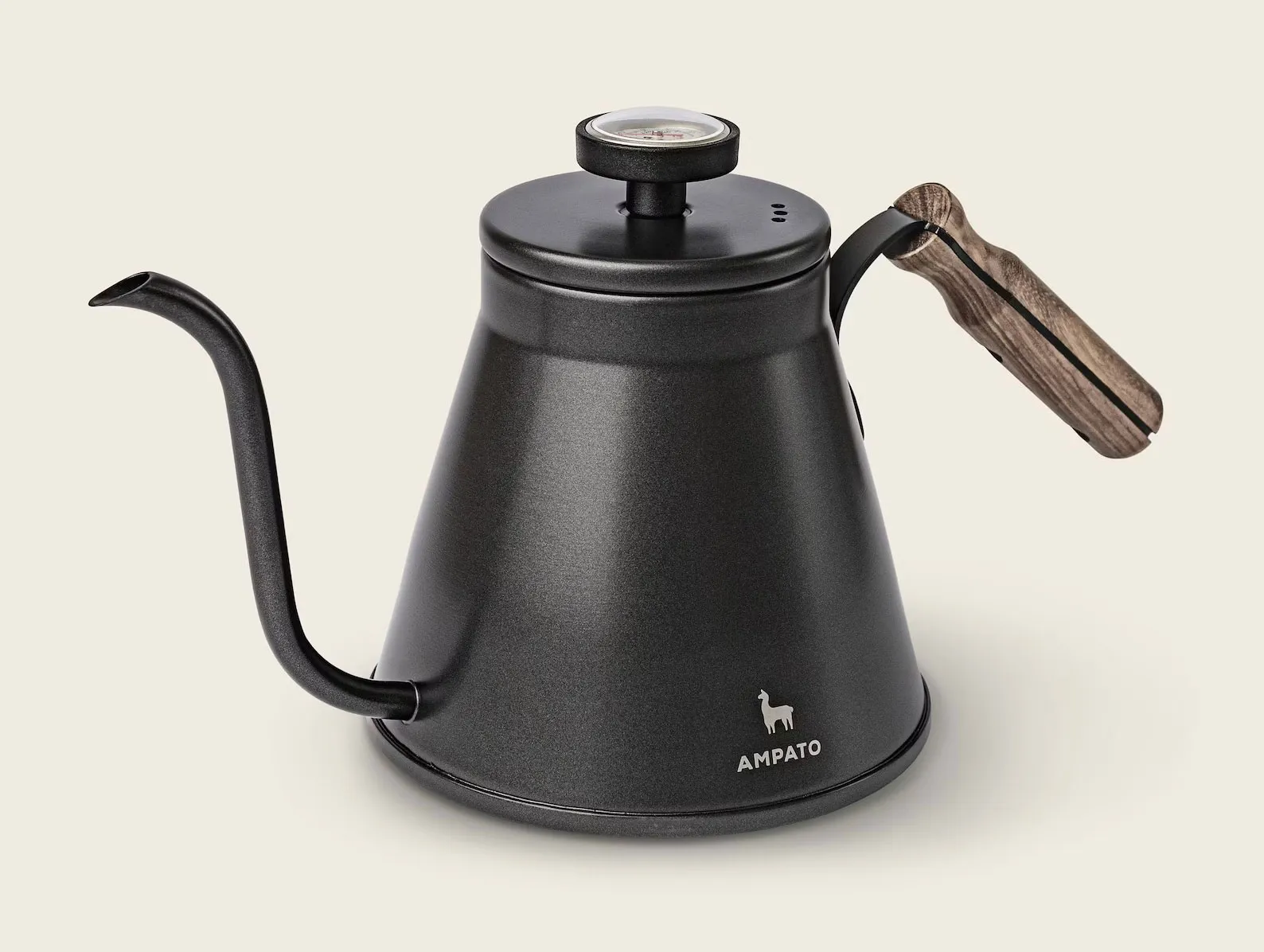 A stainless steel gooseneck kettle
 A small wooden tea scoop holding dried tea leaves
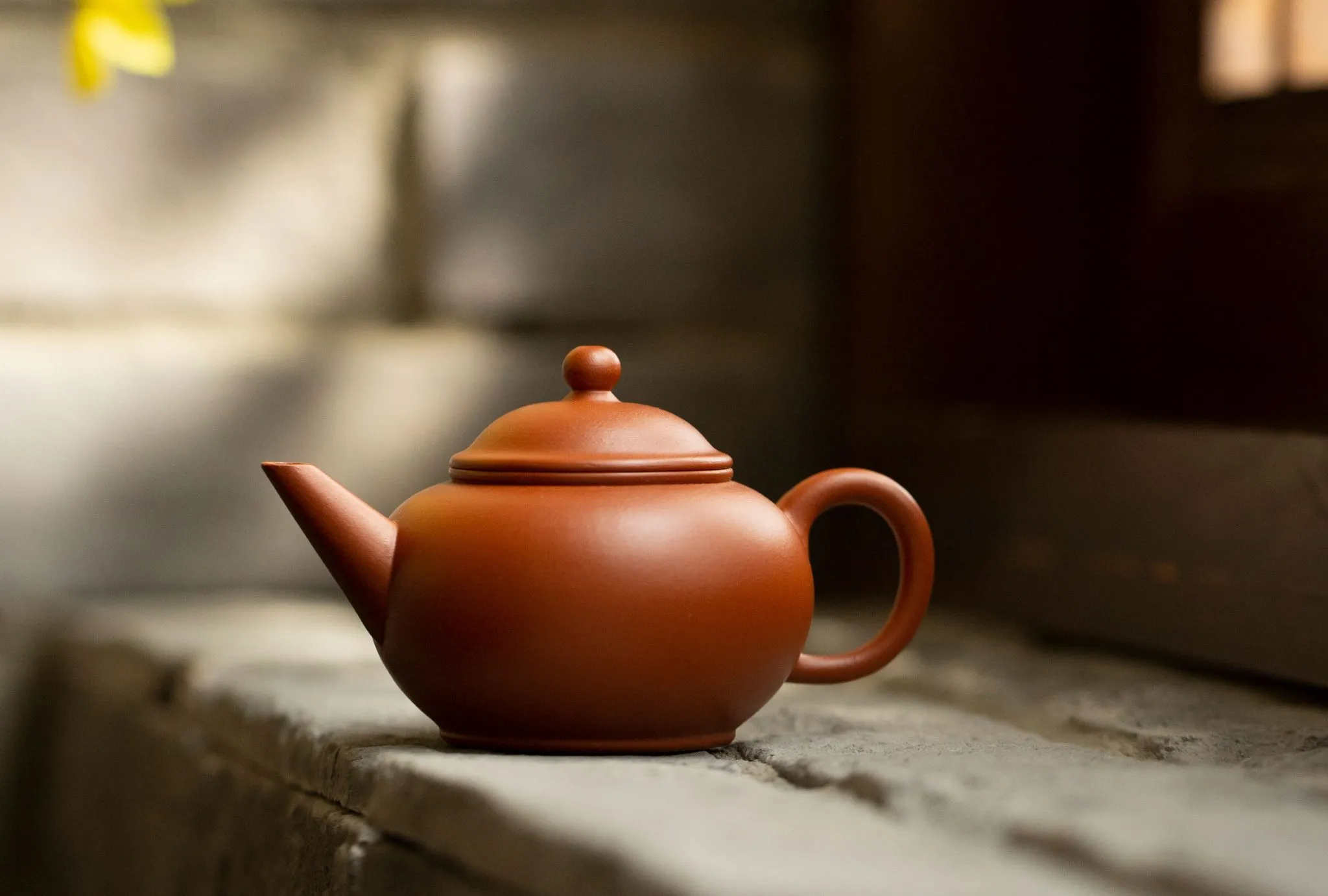 A traditional clay Gongfu teapot
 A delicate hand-painted tea cup with floral motifs
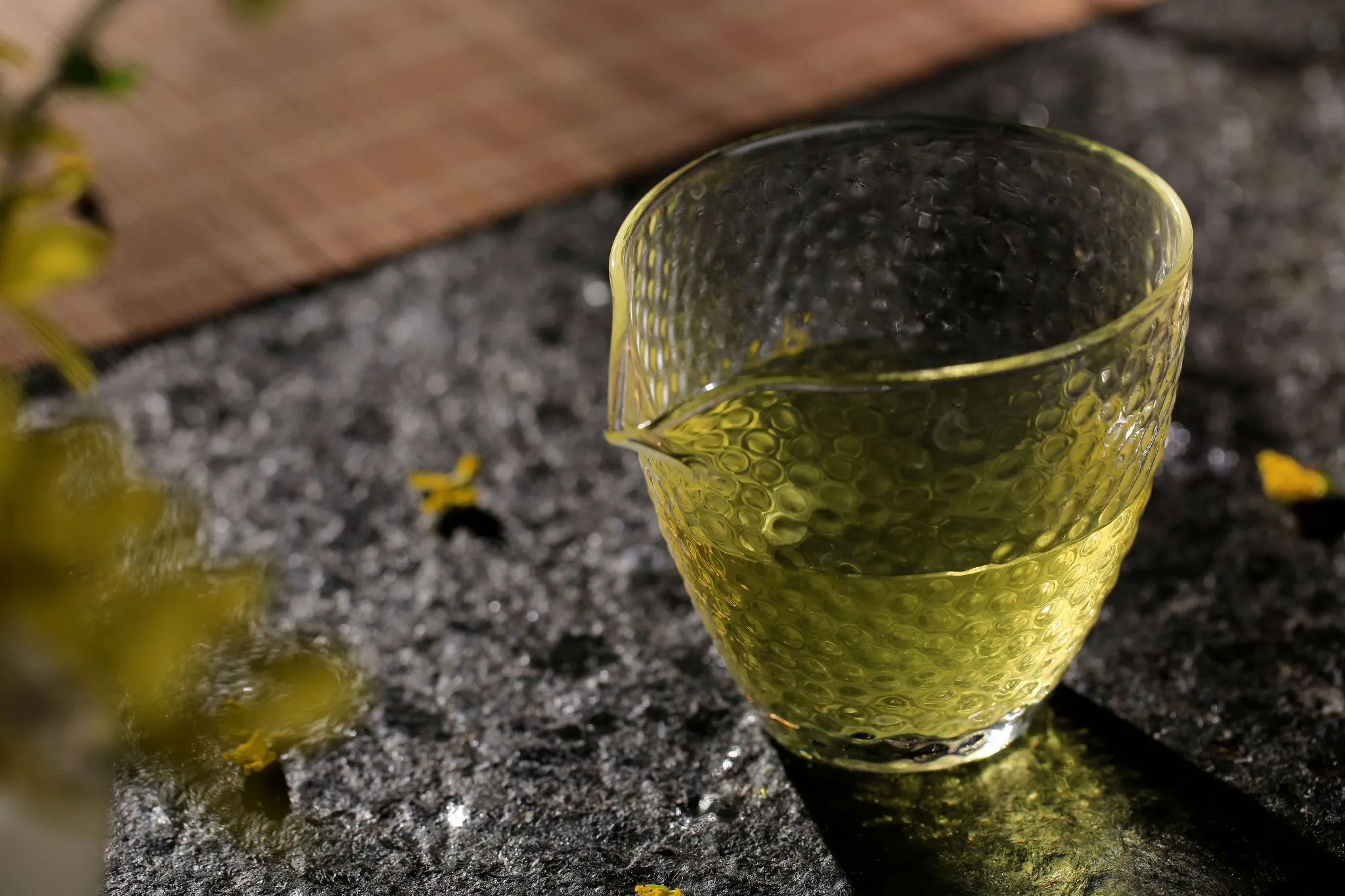 A clear glass fairness pitcher reflecting light
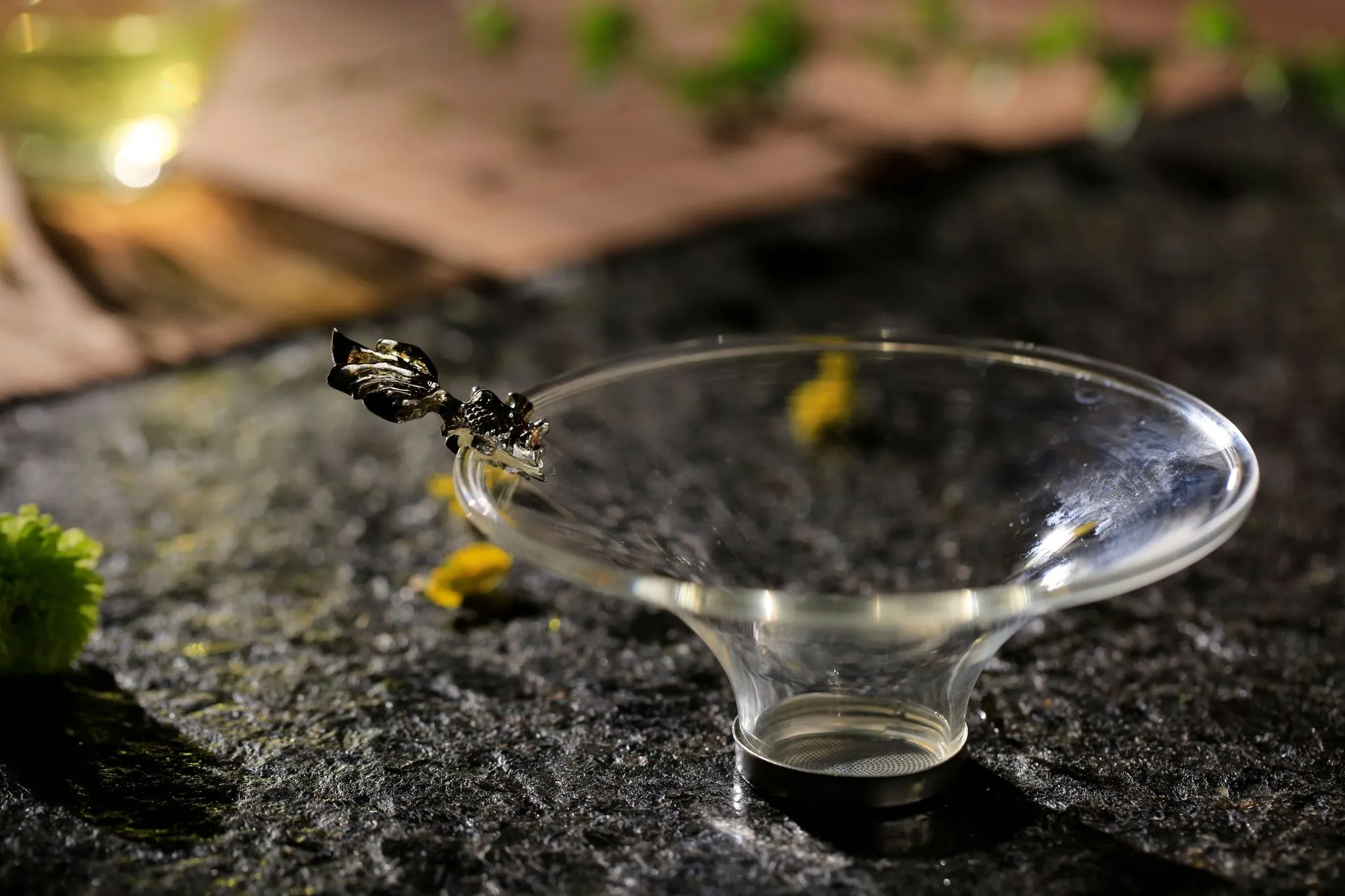 A glass tea strainer with a decorative silver handle
 An arranged tea set featuring a traveler case
 Close up of tea leaves in a scoop being presented
 Pouring hot water into a teapot with steam rising
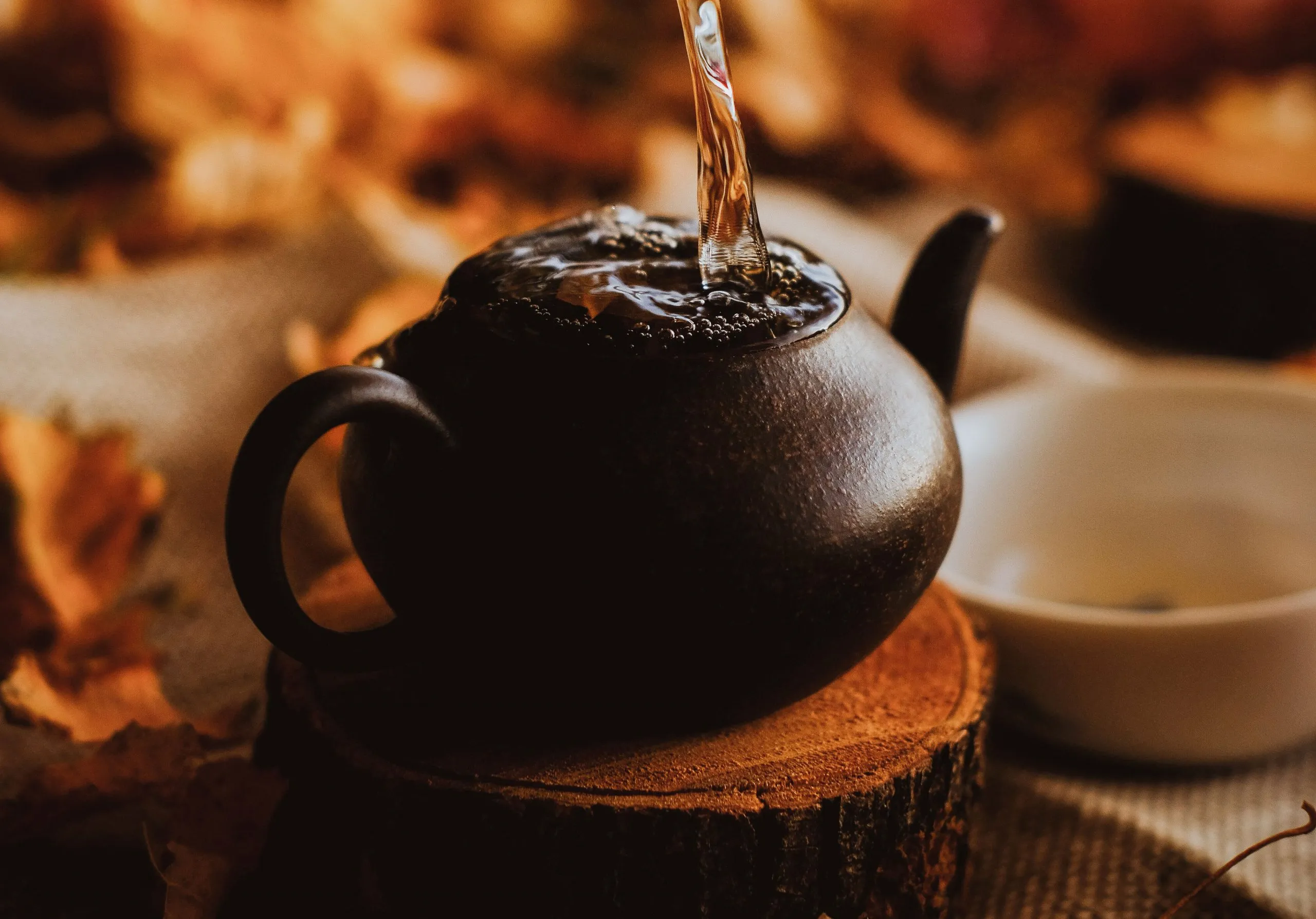 A red clay teapot with a swirl pattern
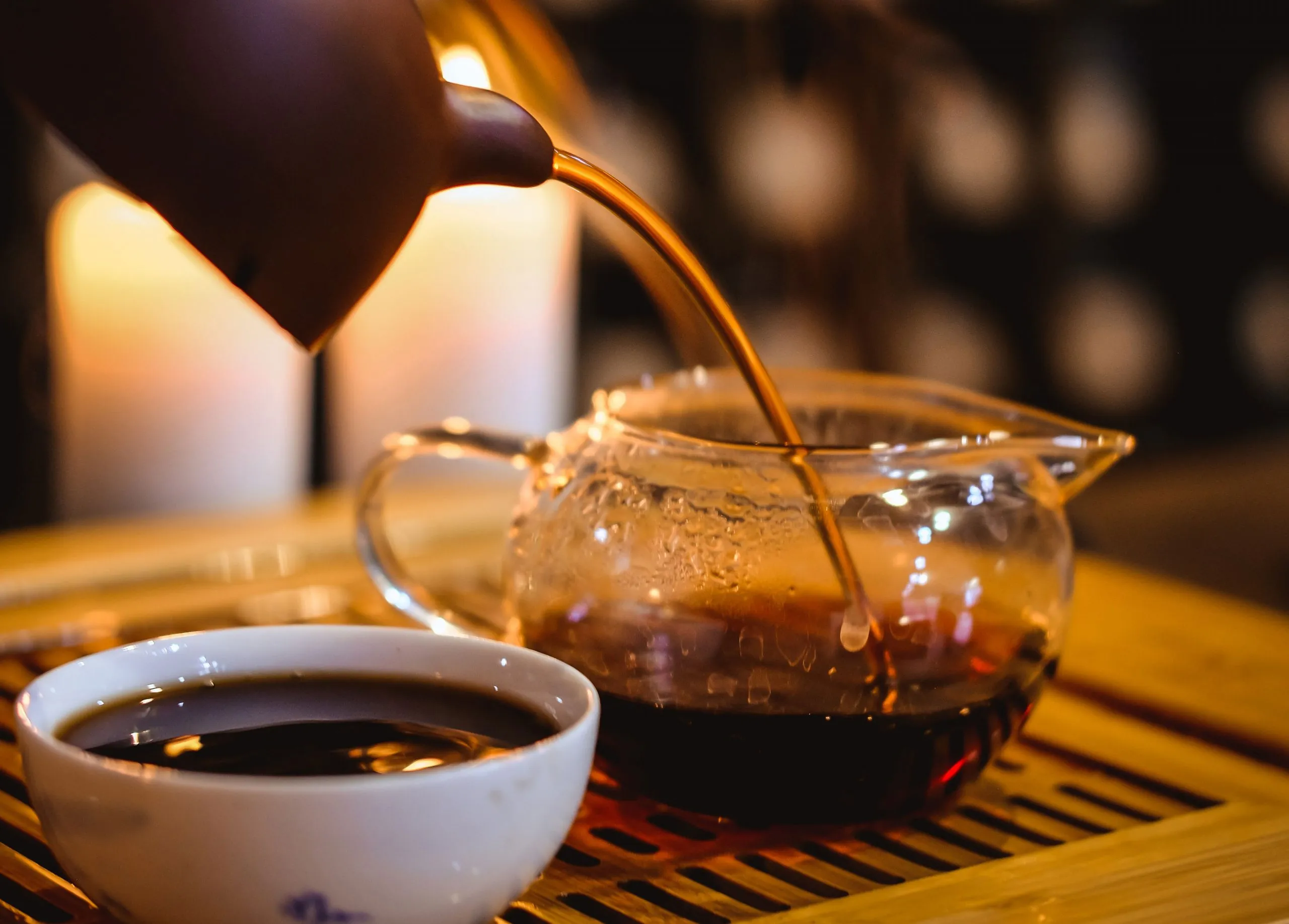 Pouring tea from the pot into a glass pitcher
 A white porcelain tea cup in the shape of a flower
 Close up of the tea liquid being poured